
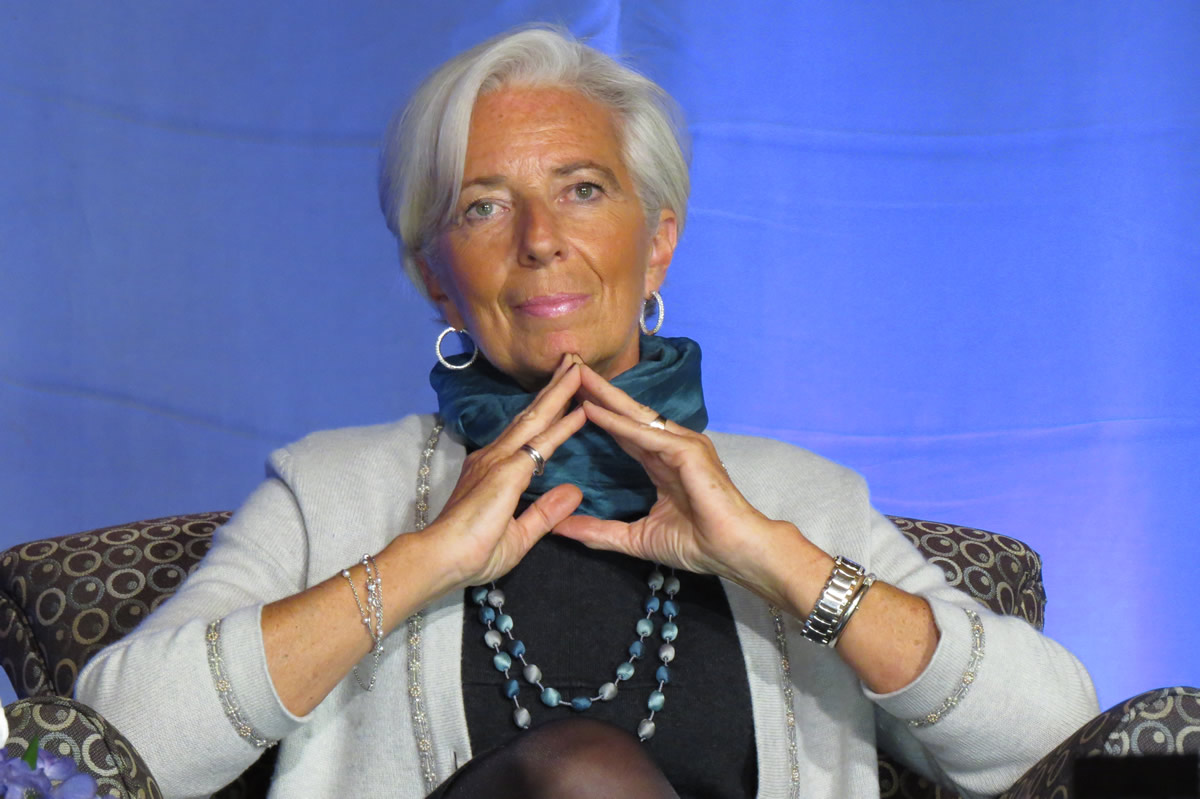
Christine Lagarde, president of the European Central Bank (ECB), has stated that crypto-assets should be regulated and are worthless but has admitted that her son is a crypto-investor.
Speaking at an event, Lagarde said: “I am not a big fan of Bitcoin and other cryptocurrencies. I believe in the potential of blockchain technology and its ability to support financial inclusion and expand access to financial services for many people who do not have them today.”
“I’m concerned about those people who think it’s going to be a reward, who have no understanding of the risks, who will lose it all, and who will be terribly disappointed,” Lagarde said. “That’s why I believe that should be regulated.”
The fact that my son invests in Bitcoin does not change my views on whether Bitcoin is money or not.
Christine Lagarde
However, there was a twist to Lagarde’s cautionary tale: The ECB chief said she “follows” the fate of cryptocurrencies “very carefully” as her son opposed her advice and invested in tokens. She added: “He is a free man.”
Lagarde denied owning coins and explained that she wanted to “practice what I preach.”
However, she added: “The fact that my son invests in Bitcoin does not change my views on whether Bitcoin is money or not.”
In an interview with CNBC on Tuesday, Lagarde said: “I believe that we need to bring more transparency in this system. I think it is quite clear that we will see massive disruptions in our traditional financial system.”
The former head of the International Monetary Fund’s skepticism about cryptocurrencies is not new, as she has previously expressed concern about the environmental impact of digital currencies, as well as their potential use in money laundering and sanctions evasion.
A digital euro would be “very different” from private cryptocurrencies.
Christine Lagarde
Several central banks are working on their own virtual alternatives to cash in response to the rapid growth of digital currencies, as well as increasing demand for cashless payments at retail stores and restaurants across Europe. The European Central Bank (ECB) is one such institution currently researching blockchain technology with an eye toward introducing its own digital currency.
But a digital euro would be “very different” from private cryptocurrencies, Lagarde said.
Image: Brinacor, CC BY-SA 4.0, via Wikimedia Commons.