

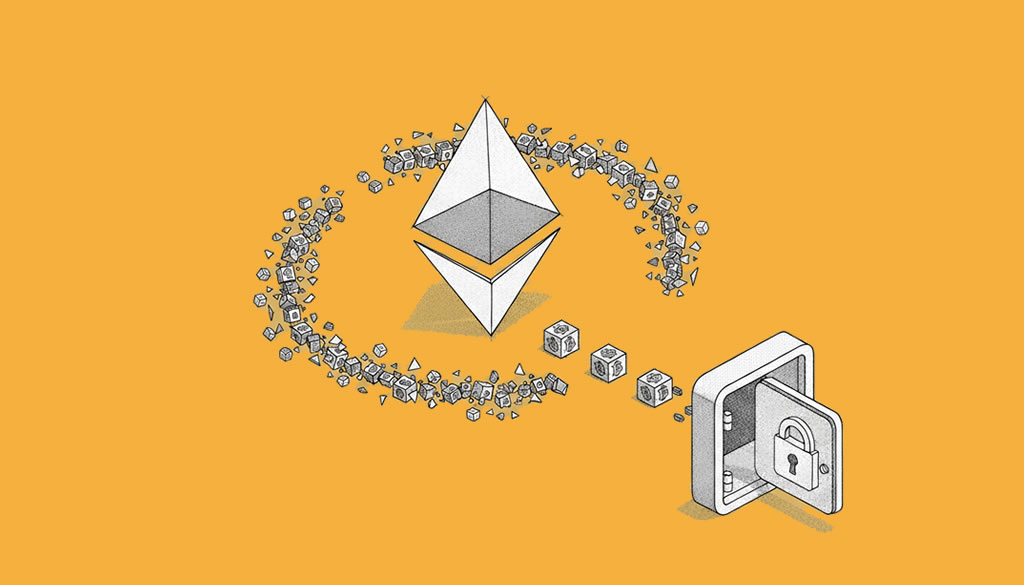
- The Ethereum Foundation has established a Post-Quantum (PQ) team led by Thomas Coratger to prioritize network security against quantum threats.
- Two $1 million prizes—the Poseidon and Proximity Prizes—aim to advance hash-based cryptography research.
- Ongoing devnets, workshops, and a roadmap ensure a seamless transition to quantum-resistant features without downtime or fund loss.
The Ethereum Foundation is intensifying its defenses against emerging quantum computing risks, announcing a new Post-Quantum (PQ) security team and substantial funding commitments.
EF researcher Justin Drake revealed the initiative in an X post, elevating PQ security to a top strategic priority after years of foundational research starting in 2019. The team, headed by Thomas Coratger with Emile from leanVM, focuses on integrating quantum-resistant cryptography into Ethereum’s core.
Key to the strategy are two major awards: the $1 million Poseidon Prize to fortify the Poseidon hash function and the $1 million Proximity Prize for proximity-related innovations. This emphasizes Ethereum’s reliance on hash-based cryptography for lean, robust quantum defenses.
Progress includes live multi-client PQ consensus devnets supported by teams like Lighthouse and Grandine, with bi-weekly All Core Devs calls on PQ transactions set to begin next month. These will address user-facing security elements such as dedicated precompiles and account abstraction.
The foundation is also organizing expert workshops, including a 3-day event in October and a PQ day on March 29 ahead of EthCC in Cannes, to foster global collaboration. A detailed PQ roadmap will soon launch on pq.ethereum.org, outlining a full transition with zero downtime and no loss of funds.
“It’s now 2026, timelines are accelerating. Time to go full PQ,” stated Justin Drake, highlighting the urgency amid warnings from Vitalik Buterin about potential ECDSA breaks by 2028. (X post by Justin Drake)
This proactive approach contrasts with ongoing debates in the Bitcoin community over quantum timelines. For broader context on quantum-resistant efforts, see projects like Zcash and MANTRA (OM).
Related article from CryptoPress: Quantum-Resistant Cryptocurrencies: The Projects Leading the Charge in 2026
Disclaimer: This article is for informational purposes only and does not constitute advice of any kind. Readers should conduct their own research before making any decisions.