

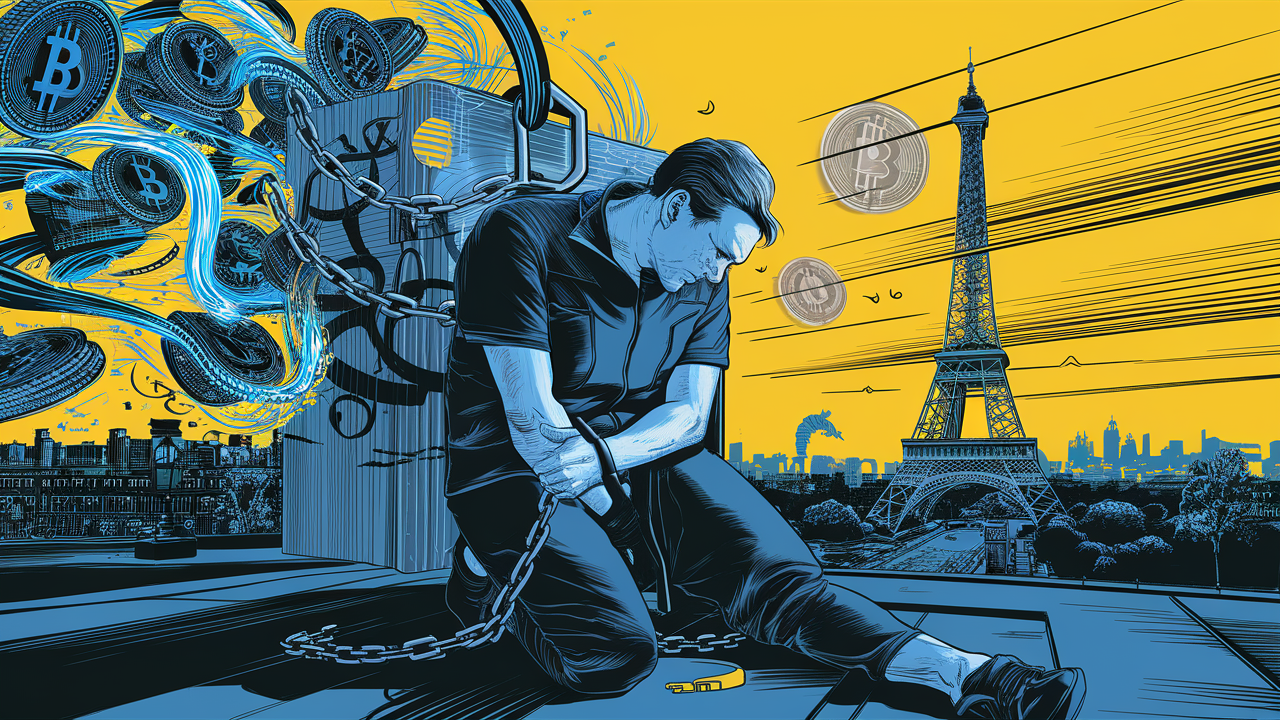
- Detention Extended: Pavel Durov, CEO of Telegram, remains in custody following his arrest at Le Bourget airport.
- Criminal Allegations: Accused of failing to curb criminal activities on Telegram, including money laundering and drug trafficking.
- Global Reaction: The arrest has ignited discussions on free speech versus platform responsibility.
- Market Impact: Telegram’s associated cryptocurrency, Toncoin, experienced a significant drop in value.
The Arrest and Its Aftermath
On August 24, 2024, Pavel Durov, the visionary behind Telegram, was arrested at Le Bourget airport near Paris, sparking an international debate on digital rights and platform accountability. French authorities, citing Telegram’s alleged facilitation of criminal activities, extended Durov’s detention, signaling a tough stance on internet governance.
Why This Matters
Durov’s arrest has become a focal point for discussions on how much responsibility tech CEOs should bear for content on their platforms. Critics argue that platforms like Telegram, with its minimal moderation, become breeding grounds for illegal activities, while supporters see this as an attack on free speech.
The financial markets didn’t stay silent. Toncoin, linked to Telegram, saw a 23% drop in value, reflecting investor concerns over the platform’s future stability and regulatory scrutiny.
The Global Reaction
The international community’s response has been mixed but largely vocal.
Elon Musk, known for his stance on free speech, tweeted “#FreePavel,” echoing sentiments of many who view Durov’s arrest as an overreach by authorities.
Russia, where Telegram has been significant due to its role in communication and news dissemination, has expressed concern, with officials seeking consular access, highlighting geopolitical tensions.
Legal and Ethical Considerations
- Platform Responsibility: The core of this controversy lies in whether platform owners should be held accountable for user-generated content. Telegram’s stance has always been one of minimal interference, arguing that encryption and privacy are paramount.
- The Digital Services Act: Telegram claims adherence to EU laws, including the Digital Services Act, which aims at safer online spaces. However, the arrest suggests that enforcement might be interpreting these laws more stringently.
Will this lead to more stringent regulations, or will it galvanize a movement towards even greater digital freedoms? The tech world watches with bated breath.