
- El Salvador reforms its Bitcoin Law to secure a $1.4 billion IMF loan.
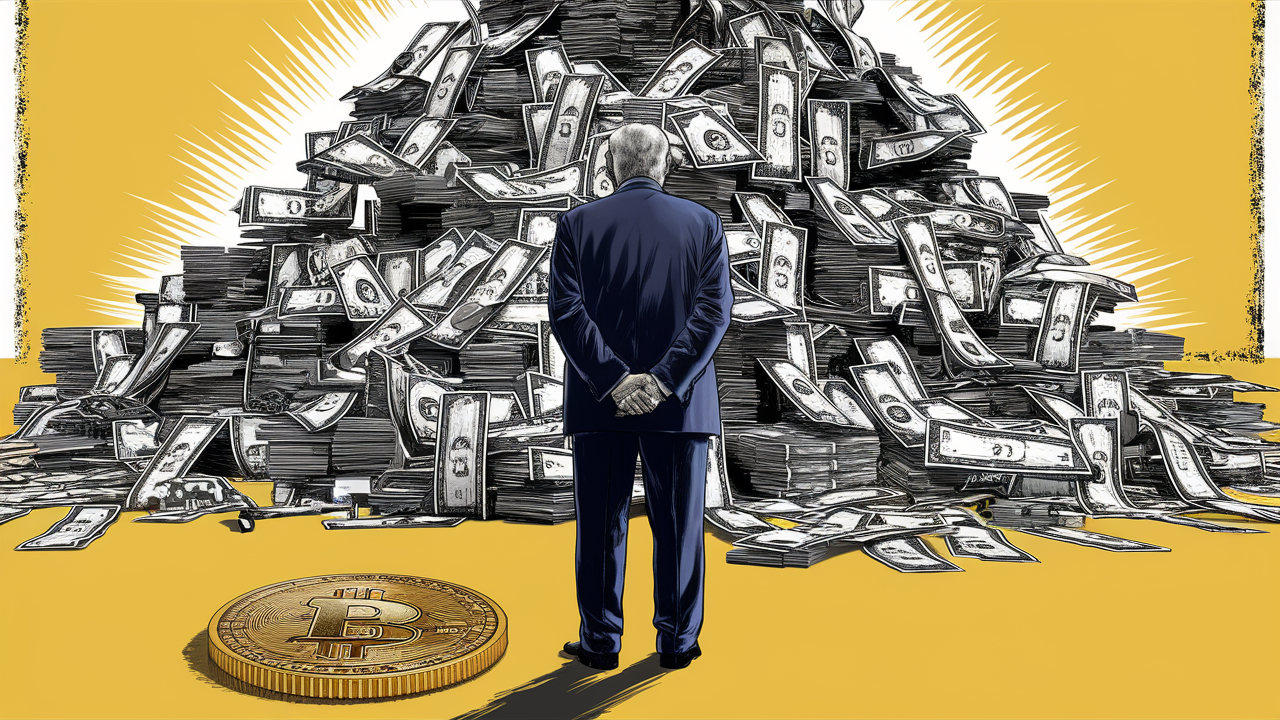
- Bitcoin acceptance becomes voluntary, stripping its mandatory legal tender status.
- Despite changes, El Salvador continues to accumulate Bitcoin.
El Salvador’s Bitcoin Law Overhaul
El Salvador’s Congress passed a significant reform to its Bitcoin Law, aligning with the International Monetary Fund’s (IMF) conditions for a $1.4 billion loan package. This legislative move was not just swift but also carried the weight of economic strategy. With a vote of 55 in favor and only 2 against, the reform passed, highlighting the urgency and political will behind this decision.
The IMF has been a vocal critic of El Salvador’s Bitcoin strategy since its inception. Concerns about financial stability, legal risks, and consumer protection have been at the forefront of their critique. The recent deal stipulates not only these legal reforms but also a commitment from El Salvador to reduce its fiscal deficit by 3.5% of GDP over three years, alongside measures to increase foreign reserves from $11 billion to $15 billion.
What’s Changed?
- Voluntary Acceptance: Previously, businesses were legally required to accept Bitcoin as payment. Now, this mandate has been lifted, making Bitcoin acceptance optional for merchants. This change aims to reduce the economic risks associated with the cryptocurrency’s volatility, as pointed out by the IMF.
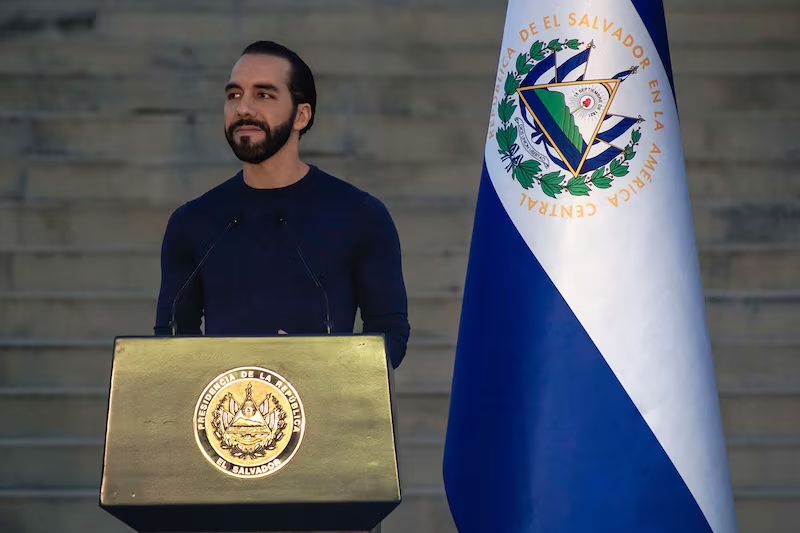
- Legal Tender Status: Bitcoin no longer holds the official status of legal tender in El Salvador. This adjustment marks a significant pivot from the country’s pioneering role in cryptocurrency adoption, which was heralded by President Nayib Bukele back in 2021.
Despite the legal adjustments, El Salvador isn’t backing away from Bitcoin entirely. The country has continued its strategy of accumulating Bitcoin, with recent purchases adding 12 more BTC to its reserves.
President Bukele’s administration has made it clear that they see Bitcoin as part of a long-term strategy, with plans to “intensify” Bitcoin accumulation in 2025, according to a spokesperson from the El Salvador Bitcoin Office. Surveys from late 2024 indicated that only 8% of Salvadorans used Bitcoin for transactions, highlighting the challenge of widespread adoption even before these reforms.