
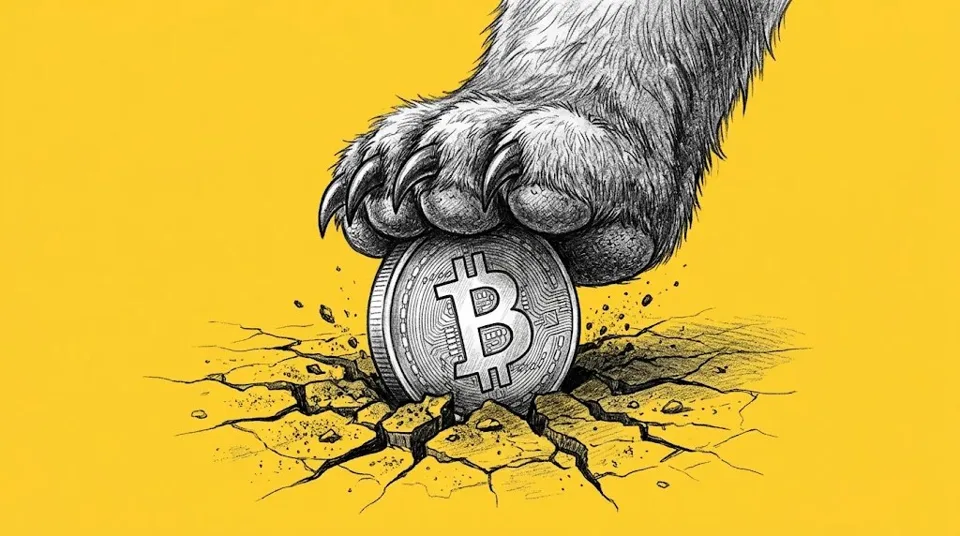
Bitcoin has returned to a bearish phase, but that does not settle whether the decline is a local bottom or the start of a deeper correction. CryptoQuant reported a four-month low near $61,000 and a loss of the rally that began on 19 August. Its 20 November market update puts the 19 November close at $61,915, already below the $62,000-65,000 holder-activity band discussed in its earlier research. Separately, Darkfost’s 19 November...
Takenos, ARQ, Wallbit y Global66: cómo mover dólares y stablecoins desde Argentina
Written on .
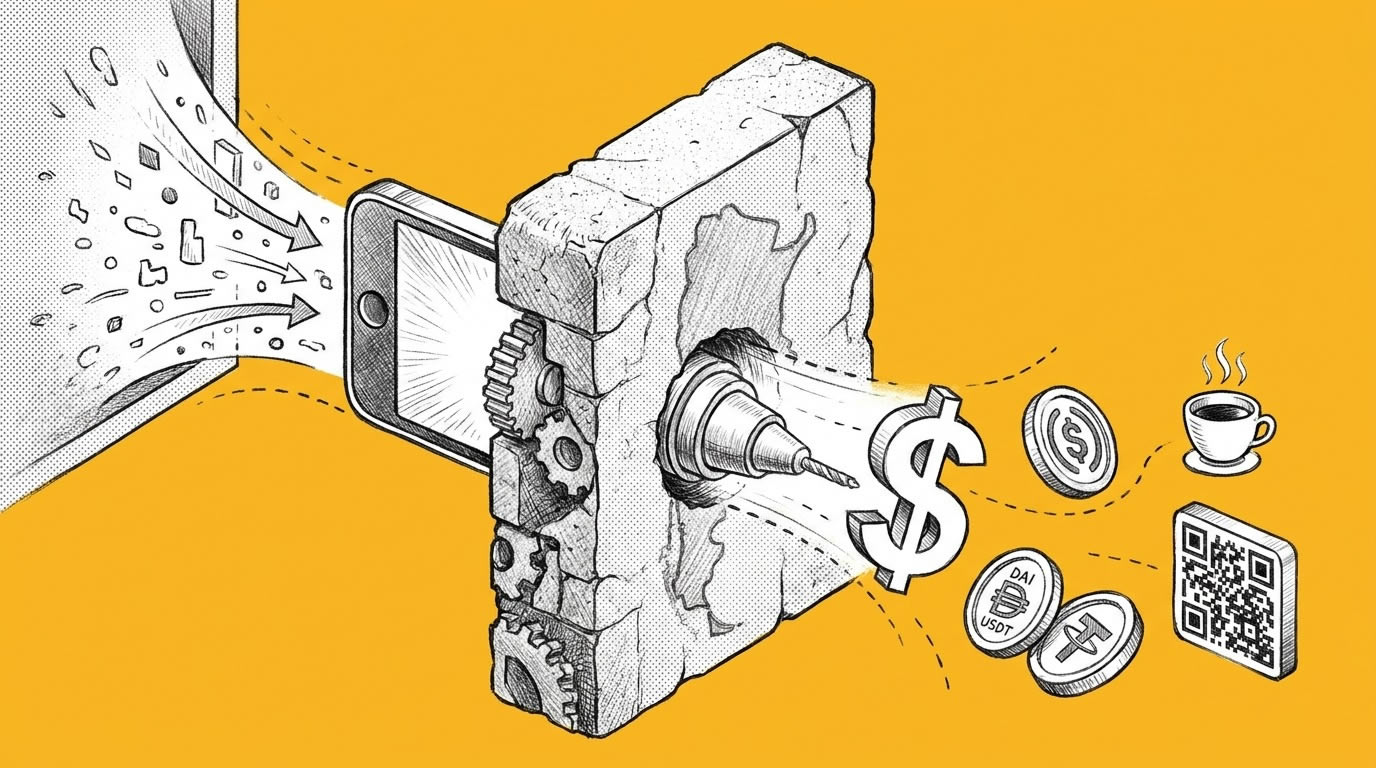
Cobrar afuera, mover stablecoins y pagar gastos locales son problemas distintos. Takenos, ARQ, Wallbit y Global66 ofrecen rutas diferentes; elegir bien exige mirar la operación completa, no solo la comisión de entrada.
Para un freelancer o un usuario cripto en Argentina, recibir dólares no es el final del recorrido. Después hay que decidir cuánto convertir a pesos, cuánto retirar a una billetera propia y cuánto destinar a inversiones. Cada...
Why Uptober Failed and What It Means for Year-End Liquidity
Written on .
On 25 October 2026, Bitcoin sat at $80,051. It had closed September at $83,567. That put the month at −4.2 percent with a week still left to run—against a +18.1 percent average October return since 2020. By the final close, the damage had deepened. Multiple price trackers put the end-of-month print near $77,430, a roughly 7.3 percent decline for the full month. For a period the market had long treated as Bitcoin’s most reliable seasonal...
MET Is a Bet on Survivors, Not Launches
Written on .
In early August 2026, Meteora’s weekly trading volume sat near $630 million. By mid-October it had recovered to roughly $1.5 billion—a 2.4x rebound. Memecoins accounted for only 30% to 45% of that volume in recent weeks, yet they generated more than 90% of protocol revenue. Traders simply pay higher volatility-based fees on the pairs that move the most.
Meteora does not own a dominant launchpad. It does not capture the bulk of the initial...
The $6.3 Billion Binance Hack: Keys Held, Signing System Failed, Freeze Button Saved Nearly Half
Written on .
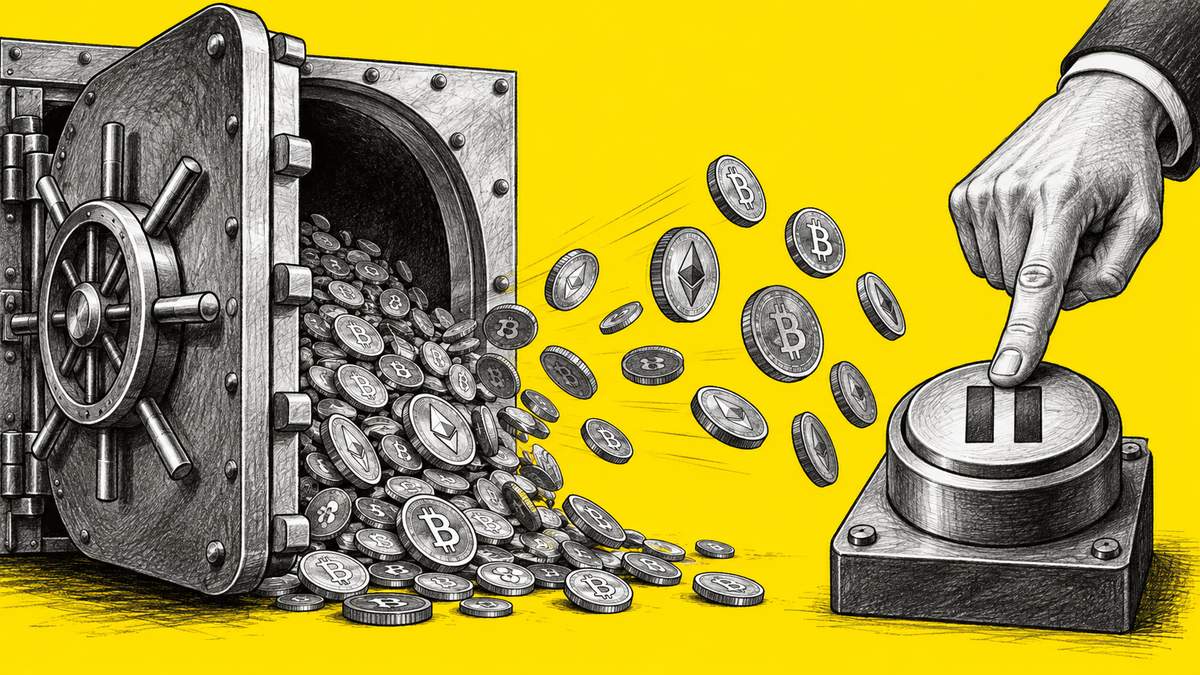
On the evening of October 29, 2026, around 20:05 UTC, Binance’s own signing systems authorized transfers of approximately $6.3 billion from its hot wallets across ten blockchains. Most of the funds left in about 20 minutes. That is four times the previous record set by Bybit in February 2025 and, according to Elliptic, almost certainly the largest theft of any kind on record.
Binance halted withdrawals, said user funds are safe, and set...