

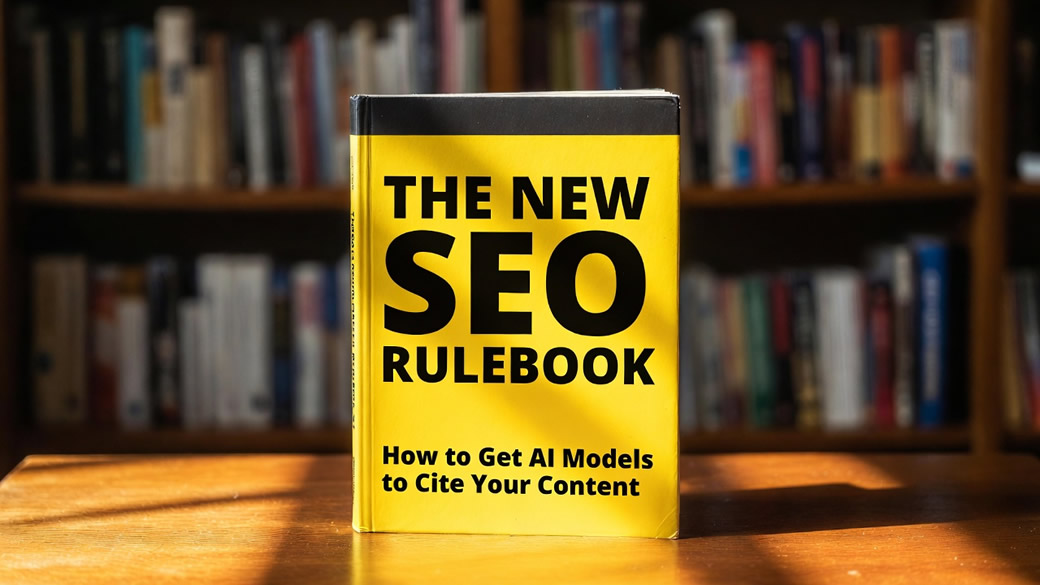
How to Be Cited by AI (And Where Press Release Distribution Fits In)
AI has changed SEO forever. Traffic is down, and authority is everything. Here are 5 new rules of SEO, why “zero-click” searches are the new reality, and how press release distribution campaigns are the secret weapon to being cited as an authoritative source by AI models like Gemini and ChatGPT.
How to Get AI Models to Cite Your Content
The SEO landscape just experienced a seismic shift. If your strategy is still focused purely on driving clicks through basic keyword optimization, you are already behind.
According to digital marketing expert Neil Patel, Artificial Intelligence has fundamentally changed the SEO game forever. We are moving away from an economy focused on traffic and moving toward an economy focused on authority and trust.
Google, the primary gatekeeper of search, is now prioritizing answering questions directly within the search results using AI. This means visibility is no longer guaranteed by ranking #1; true visibility now means being cited as the trusted source that the AI used to formulate its answer.
To survive and thrive in this new environment, you need to understand and apply the 5 new rules of SEO.
The 5 New Rules of SEO for the AI Era
1. The Citation Economy The objective of SEO has evolved. It’s no longer just about positioning yourself in the top spot of organic listings. The new, ultimate goal is to be recognized and cited by AI models (like Google’s SGE/Gemini, ChatGPT, and Copilot) as a definitive and reliable source. Being the footnote that validates the AI’s response is the new form of premium visibility.
2. The Complexity Moat AI is incredibly good at handling simple, straightforward queries. If your content only answers “What is…?” questions, the AI will answer it itself, and you will get zero traffic. However, AI often struggles with nuance. Complex, multi-layered searches (often 6 words or more) still require human expertise and deep sourcing. This “complexity moat” is your opportunity. By creating comprehensive, expert-driven content that tackles difficult topics, you increase your chances of being cited by AI as the specialized authority.
3. The Zero-Click Reality We must accept a painful truth: organic traffic to websites is diminishing. Google’s business model is now focused on keeping users on their own platform for as long as possible by providing immediate answers. Because Google will answer more questions directly, building brand authority is now far more valuable than simply chasing website visits. You want people to remember your brand as the authority, even if they don’t click through immediately.
4. The Authority Tax The days when technical optimization alone could get you to the top are over. While technical SEO is still necessary, it is no longer sufficient. Today, you must pay your “authority tax.” Building a recognizable, trusted, and verified brand takes considerable time and effort, but it is essential. AI models are trained to prioritize information from entities that have established credibility within their niche.
5. The Shift to “Search Everywhere” SEO is no longer synonymous only with “Google.” You must build authority omni-channel. Consumers—and AI models that crawl the web—are looking for trust signals across many different platforms. You need a strong, authoritative presence on platforms like YouTube, TikTok, Amazon, and reputable news outlets to confirm your status as an expert to the AI.
How Press Release Distribution Fits into the New AI SEO Landscape
When you look at these 5 new rules, you might wonder: where do traditional marketing tactics, like press release distribution, fit in? The answer is that they are more relevant now than ever—but for a different reason than in the past.
It’s no longer about getting a press release to generate direct traffic or low-quality backlinks. In the age of AI, press release distribution campaigns are your secret weapon for building authority and paying the “Authority Tax.”
Here is why press release distribution is a vital component of a successful AI-focused SEO strategy:
- Accelerated Brand Trust: Press releases published on reputable news wires and media outlets act as powerful, third-party validations of your brand’s expertise. They provide the definitive “trust signals” that AI models look for when evaluating sources.
- Creating “Complexity Moat” Content: Announcements about groundbreaking research, detailed industry reports, or complex technological innovations are best disseminated via a formal press release. These documents provide the dense, specialized knowledge that AI models need to cite when answering complex queries.
- Omni-Channel Footprint: Press release distribution instantly expands your presence beyond your own website, placing your authority on major news aggregates and media sites. This supports the “Search Everywhere” rule by creating a footprint that AI crawls and recognizes as a legitimate, established entity across the web.
In summary, AI has not killed SEO; it has matured it. To adapt, you must pivot from a mentality of “getting clicks” to a strategy of “building trust.” While creating expert content is the foundation, leveraging strategic press release distribution is one of the fastest ways to prove to both users and AI that you are the authority worth citing.